
Kabuto
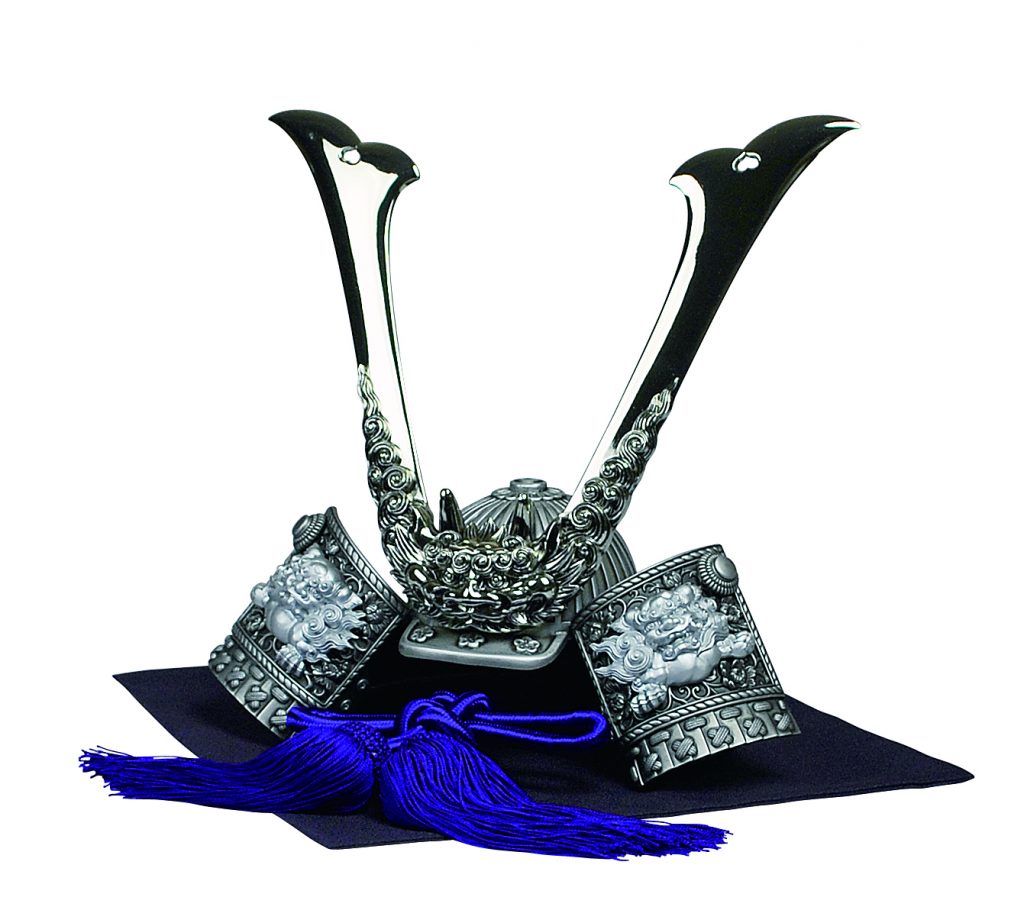
Kabuto (兜, 冑) is a type of helmet first used by ancient Japanese warriors, and in later periods, they became an important part of the traditional Japanese armour worn by the samurai class and their retainers in feudal Japan.
Feel the Samurai History
Samurai Kabuto Helmet
Kabuto (兜, 冑) is a type of helmet first used by ancient Japanese warriors, and in later periods, they became an important part of the traditional Japanese armour worn by the samurai class and their retainers in feudal Japan.
History
Japanese helmets dating from the fifth century (long before the rise of the samurai class) have been found in excavated tombs. Called mabizashi-tsuke kabuto (visor-attached helmet), the style of these kabuto came from China and Korea and they had a pronounced central ridge.
Kabuto, which is now known as a samurai helmet, first appeared in the 10th century Heian period with the appearance of ō-yoroi. In the Sengoku period in the 16th century, when battles between samurai changed into gun and group battles, ō-yoroi and dō-maru went out of fashion and tosei-gusoku (gusoku) was born, and the style of kabuto changed greatly.
In the Edo period, when the Tokugawa shogunate defeated the Toyotomi clan at Summer Siege of Osaka and the society became peaceful, armor with a revival of the medieval times became popular, and ō-yoroi and dō-maru style kabuto were made again.
The kabuto was an important part of the equipment of the samurai, and played a symbolic role as well, which may explain the Japanese expressions, sayings and codes related to them. One example is Katte kabuto no o wo shimeyo (lit. “Tighten the string of the kabuto after winning the war”). This means don’t lower your efforts after succeeding (compare to “not to rest on one’s laurels”). Also, kabuto wo nugu (lit. “to take off the kabuto”) means to surrender.